 Guild of Archeron
James Cook
The history of Captain Morgan is a blend of 17th-century maritime warfare and 20th-century corporate marketing. While the brand is known for its party-loving mascot, the real man was one of the most successful (and ruthless) figures of the Golden Age of Piracy.
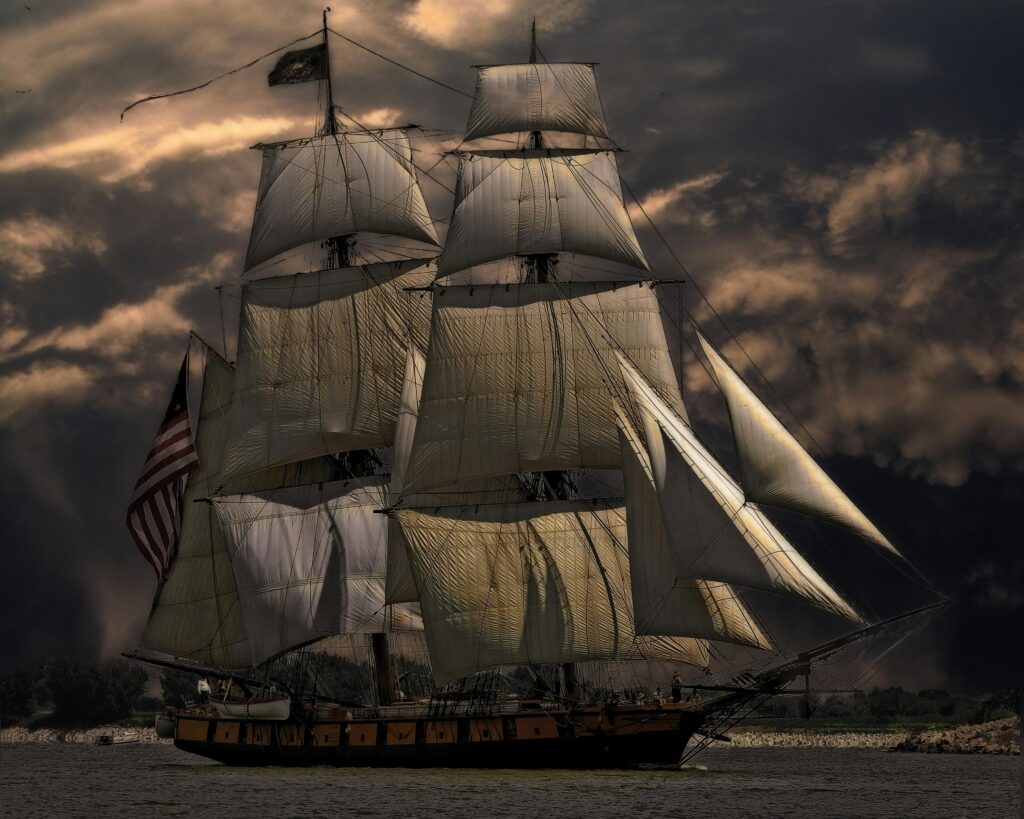
1. The Real Captain: Sir Henry Morgan (1635–1688)
The brand is named after Sir Henry Morgan, a Welsh privateer who became a legend in the Caribbean.
Political Rise: Although he was briefly arrested for the Panama raid (because a peace treaty had been signed between England and Spain just before the attack), he was eventually knighted by King Charles II. He returned to Jamaica as the Lieutenant Governor and lived out his final years as a wealthy plantation owner.
Privateer vs. Pirate: Unlike a common pirate, Morgan was a privateer—essentially a “legal pirate” hired by the English government to attack Spanish ships and settlements.
Major Exploits: His most famous feat was the Sack of Panama in 1671, where he led over 1,000 men to capture one of Spain’s wealthiest cities.
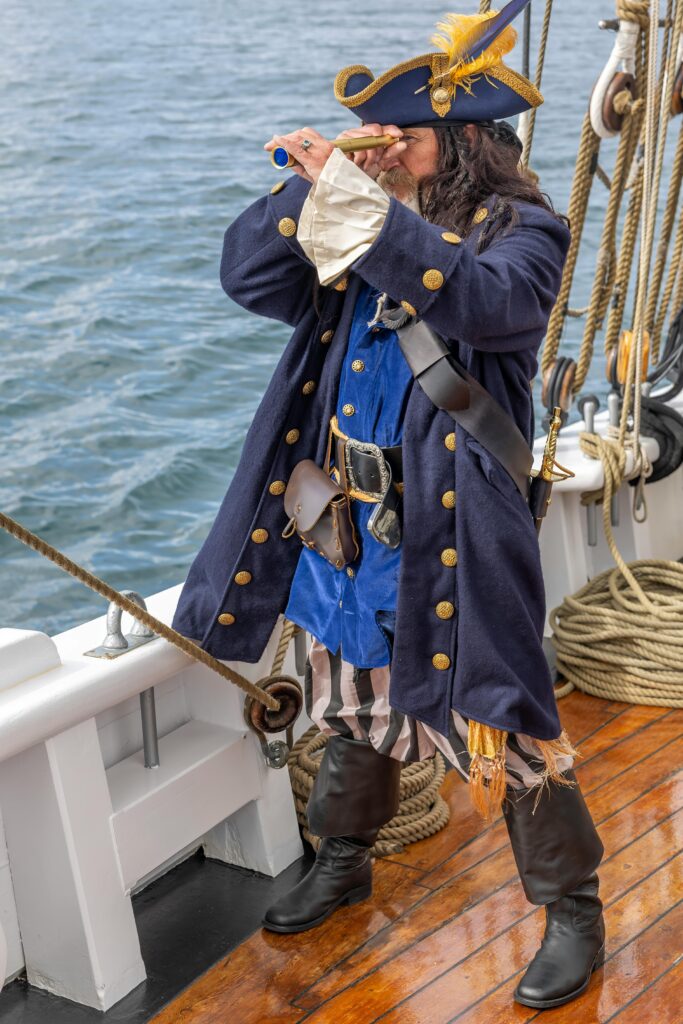
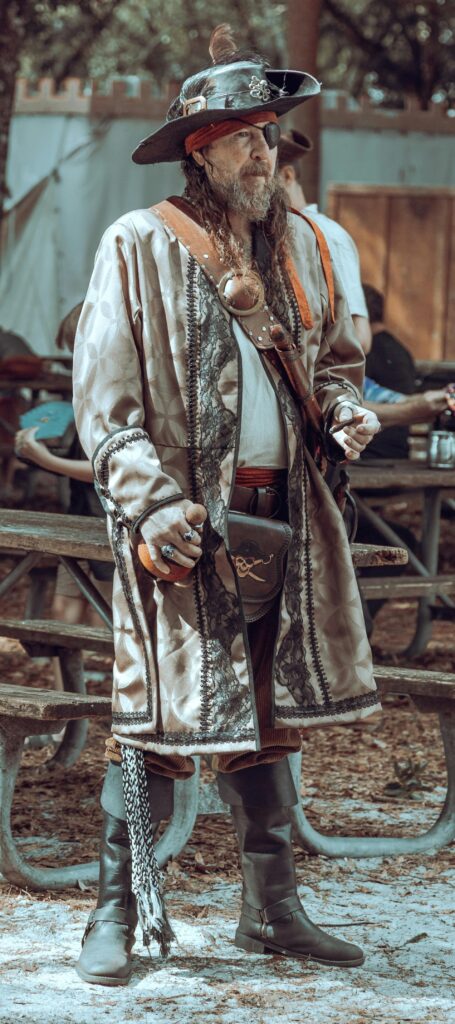
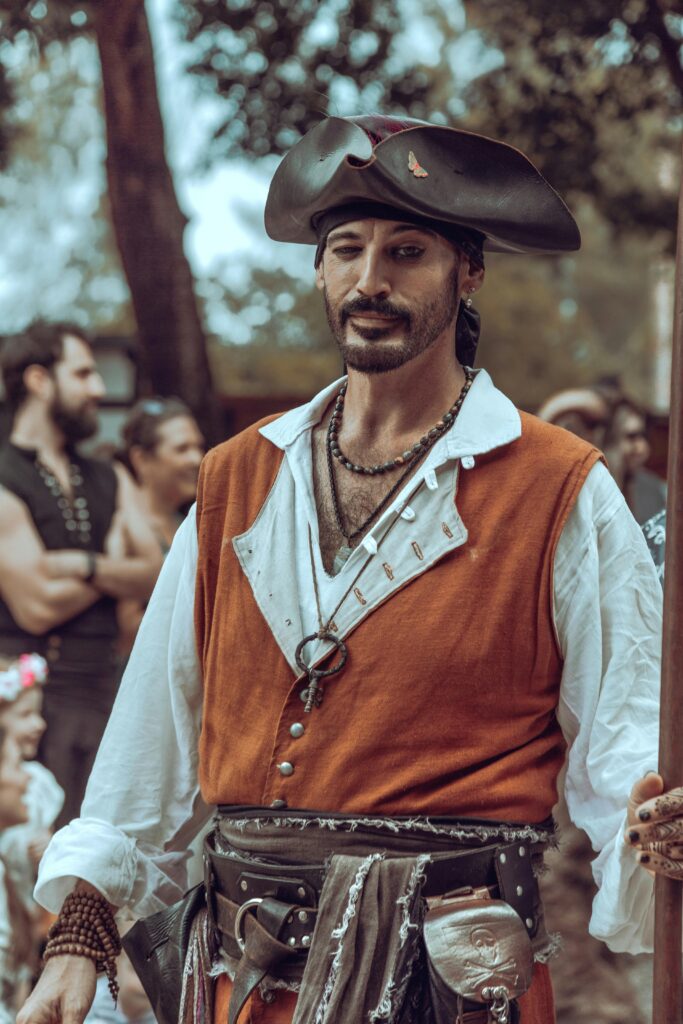

2. The Birth of the Brand (1944)
The rum brand didn’t exist during Henry Morgan’s lifetime. It was created nearly 260 years after his death.
- The Seagram Era: In 1944, the Seagram Company (a Canadian spirits giant) purchased the Long Pond distillery in Jamaica.
- The Recipe: They acquired a recipe for spiced rum from a pharmacy in Kingston called the Levy Brothers. The pharmacists had been buying raw rum from the distillery, adding medicinal herbs and spices, and selling it as a tonic.
- Naming the Captain: Seagram’s CEO, Samuel Bronfman, loved the “pirate” history of Jamaica and named the new product “Captain Morgan Rum” to lean into that Caribbean heritage.
3. Global Expansion & The “Pose”
The brand we recognize today took shape in the late 20th century.
- US Introduction (1984): While sold in the Caribbean for decades, Captain Morgan Original Spiced Rum wasn’t introduced to the United States until 1984. It revolutionized the market by popularizing “Spiced Rum” as a distinct category.
- The Iconic Artwork: The famous painting of the Captain—standing with one leg perched on a barrel—was created by award-winning artist Don Maitz. This image became the centerpiece of an aggressive marketing campaign that turned the Captain into a symbol of fun and adventure.
- Current Ownership: In 2001, Seagram sold the brand to Diageo, the British beverage giant that still owns it today.
Fun Fact: The real Henry Morgan likely didn’t drink the “Spiced Rum” we know today. In the 17th century, rum was often a harsh, unrefined spirit known as “Kill-Devil.” He would have been more likely to drink it in a punch or mixed with water and sugar.